Who owns your customer data when a vendor gets acquired?
It depends on your contract, which is why Liquid Death is walking away. On November 5, 2026, Digiday reported that Liquid Death's chief media officer, Benoit Vatere, is replacing LiveRamp after Publicis Groupe acquired it, fearing his customers' buying patterns could train AI tools that help...

It depends on your contract, which is why Liquid Death is walking away. On November 5, 2026, Digiday reported that Liquid Death's chief media officer, Benoit Vatere, is replacing LiveRamp after Publicis Groupe acquired it, fearing his customers' buying patterns could train AI tools that help rivals. The durable fix is owning your data foundation.
What did Liquid Death announce?
On November 5, 2026, Digiday reported that Liquid Death chief media officer Benoit Vatere is looking for an alternative to LiveRamp, the identity graph the brand used for about 18 months, following Publicis Groupe's acquisition of LiveRamp. Vatere said he doesn't want buying patterns to end up in data a holding company uses to train AI tools that help competitors such as Evian and PepsiCo, even though the deal's terms say that can't happen. He wants new vendors to agree to delete Liquid Death's data on any change of control. The LiveRamp contract runs out at the end of the year.
My take: vendors should plug into your data
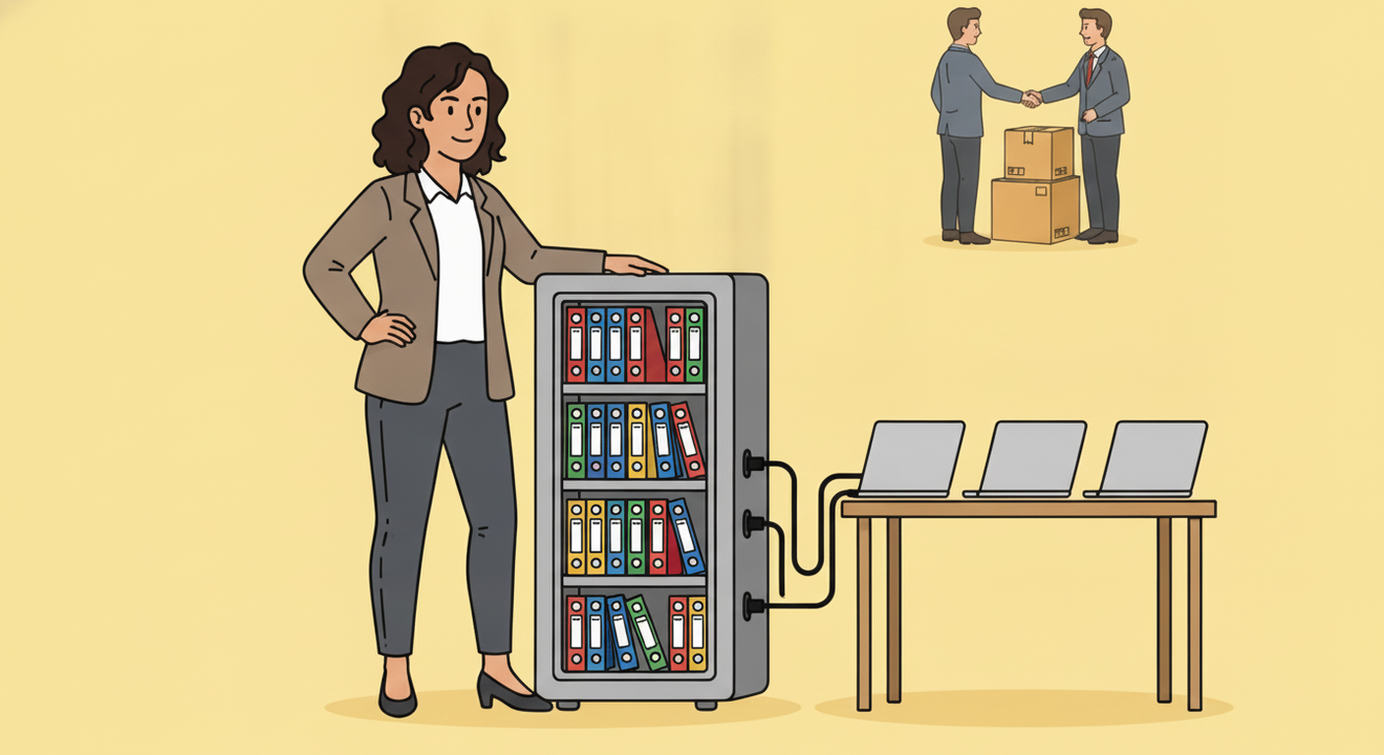
The bigger lesson here is to build a company-owned data foundation so vendors plug into your data, not the other way around. That is what keeps your edge when the vendor landscape consolidates. It is also the biggest reason I'm pushing Eboost Consulting to focus on our Marketing Engineering service.
There's a second layer most companies miss: where each employee's AI tools point. You can bring all your data and marketing intelligence in-house and move away from big third-party vendors, but if your star employee leaves and the team can't produce the same output, you have to ask whether your enterprise AI strategy is working. The intelligence has to live in company systems, not in one person's setup.
This doesn't stop at martech vendors. Agencies will need to adapt too. The more situations like this happen, the more clients will limit the data agencies operate on. That means agencies will need to support clients' in-house AI transformation efforts, or clients like Liquid Death will need to build an MCP server or some other controlled data connection for their agency partners. Either way, access gets designed deliberately instead of handed over.
What should marketing leaders do now?
- Map who owns each vendor and agency that touches your customer data, and which of your competitors they or their parent company also serve. That list is your exposure.
- Add change-of-control and data deletion clauses to identity, measurement and agency contracts at the next renewal. Bring legal in, but own the requirement in marketing.
- Invest in a company-owned data foundation, and give vendors, agencies and employees' AI tools governed access to it rather than copies of it. Then test whether the team can still produce the same work when one person leaves.
Get the AI Marketing Brief twice a week. Subscribe free for my take on the AI news that matters to marketing leaders.
Frequently asked questions
What happens to my data when a martech vendor is acquired?
Your contract governs it, and the new owner inherits it. That's why Liquid Death's media chief wants clauses that end the relationship and delete the brand's data whenever a vendor changes ownership, instead of relying on the acquirer's current terms.
Why is Liquid Death leaving LiveRamp?
Liquid Death is leaving LiveRamp because Publicis Groupe, which acquired LiveRamp, also works for competitors such as Evian and PepsiCo. Media chief Benoit Vatere worries buying patterns could train holding company AI tools that help those rivals.
Sources

ZoomMetrix Newsletter
Join the newsletter to receive the latest updates in your inbox.